Every December, one question dominates British music culture: who will claim the Christmas number one? It’s more than just topping the charts—it’s about becoming part of festive tradition, creating memories, and sometimes making history.
This complete guide covers everything about UK Christmas number ones, from the very first winner in 1952 to the most recent victors, plus all the records, surprises, and battles that have made the Christmas number one such a British institution.
Updated December 2025
- What Is the Christmas Number One?
- How the Christmas Number One Is Decided
- The Complete List of UK Christmas Number Ones (1952-2024)
- Record-Breaking Christmas Number Ones
- The Origin and History of Christmas Number Ones
- Iconic Christmas Number Ones Through the Decades
- The Role of Charity Singles
- The X Factor Era and Reality TV Dominance
- Streaming’s Impact on Christmas Number Ones
- Famous Songs That Missed the Top Spot
- Modern Trends and the Future of Christmas Number Ones
- Memorable One-Hit Wonders and Novelty Hits
- FAQs About UK Christmas Number Ones
- What is the Christmas number one?
- When is the Christmas number one announced?
- How is the Christmas number one decided?
- Has the same song been Christmas number one twice?
- What was the first ever Christmas number one?
- What’s the best-selling Christmas number one of all time?
- Which artist has the most Christmas number ones?
- Why did “Last Christmas” take 39 years to reach number one?
- Do Christmas number ones make a lot of money?
- Can I vote for the Christmas number one?
- Has there ever been a tie?
- What happens if an artist gets Christmas number one?
- Why do charity singles do well at Christmas?
- The Cultural Significance of Christmas Number Ones
- Predictions for Future Christmas Number Ones
- Conclusion: The Magic of Christmas Number Ones
- Related Guides
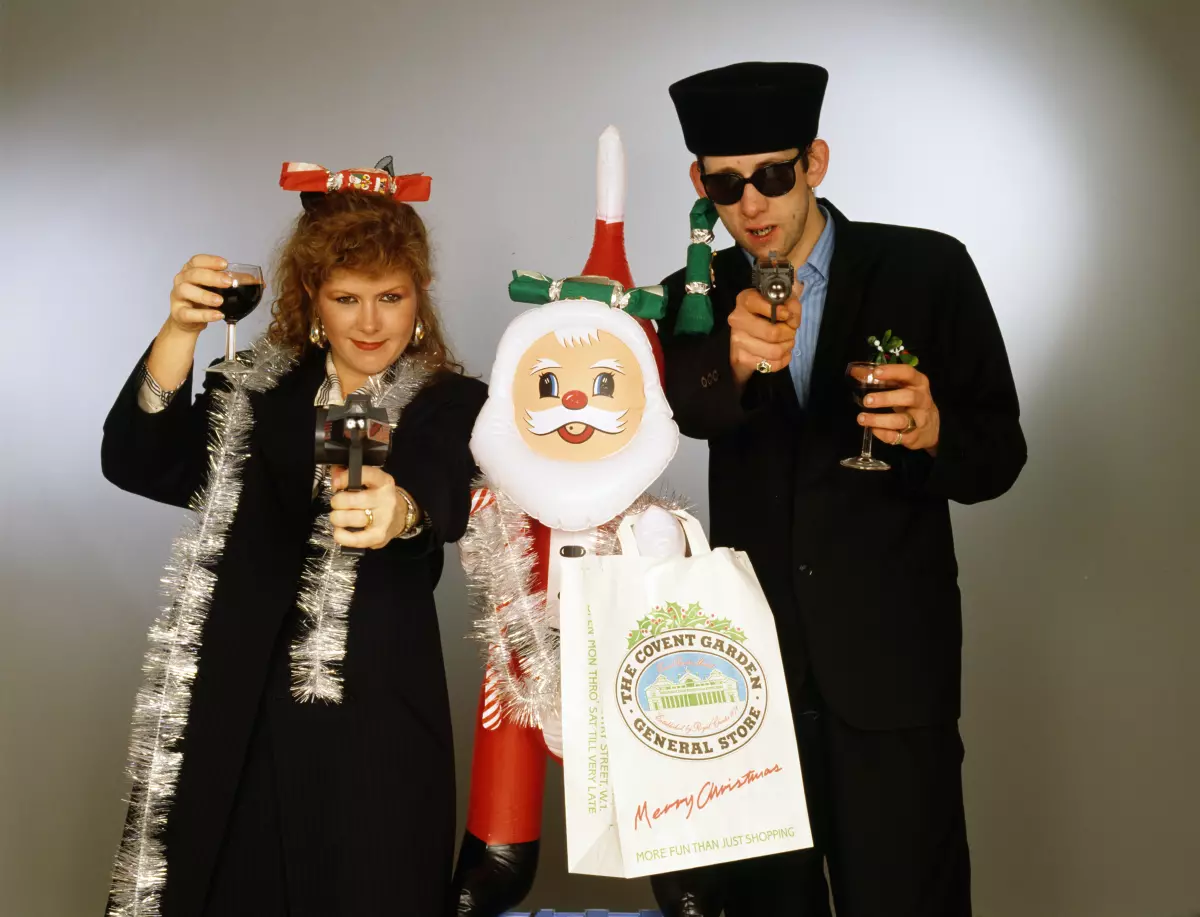
What Is the Christmas Number One?
The Christmas number one (often written as Xmas number 1) is the single sitting at the top of the Official UK Singles Chart on Christmas Day (or the week containing Christmas Day). It’s the most prestigious chart position of the year and has been a British music tradition since 1952.
Why Does It Matter?
Cultural significance: Being Christmas number one means more than any other chart-topper. It’s about:
- Becoming part of Christmas celebrations for millions
- Entering British pop culture history
- Achieving legendary status (think Band Aid, Queen, Slade)
- Generating massive sales and streaming numbers
- Creating a moment that people remember for decades
Commercial impact: Christmas number ones typically:
- Sell millions of copies
- Generate huge streaming figures
- Dominate radio playlists throughout December
- Become festive staples for years to come
- Boost an artist’s career significantly
The race itself: The competition to claim the Christmas number one has become entertainment in its own right, with:
- Media coverage throughout December
- Betting markets
- Unexpected contenders emerging
- Dramatic last-minute chart battles
How the Christmas Number One Is Decided
The Christmas number one is determined by the Official Charts Company based on sales and streaming data.
The Official Rules
Chart week: Until 2015, the chart week ran Sunday to Saturday. Since 2015, it runs Friday to Thursday, meaning:
- The Christmas chart now covers the week leading up to Christmas
- If Christmas falls on a Friday, the chart is revealed on Christmas Day itself (as in 2015 and 2020)
- Otherwise, it’s typically announced on the Friday before Christmas
What counts:
- Physical sales: CDs, vinyl, cassettes
- Digital downloads: Purchased tracks
- Streaming: Plays on Spotify, Apple Music, YouTube, etc.
- Streaming ratio: Roughly 150 streams = 1 sale equivalent
Official announcement: The Christmas number one is revealed on BBC Radio 1’s Official Chart Show, typically broadcast on the Friday before Christmas or on Christmas Day itself when it falls on a Friday.
How Streaming Changed Everything
Before streaming (pre-2015):
- Physical sales and downloads dominated
- Newer releases had a massive advantage
- Classic Christmas songs rarely charted highly
After streaming became dominant (2015 onwards):
- Catalogue Christmas tracks now competes every year
- Songs from decades ago regularly hit the Top 10
- “Last Christmas” by Wham!, “Fairytale of New York” by The Pogues, and “All I Want for Christmas Is You” by Mariah Carey return annually
- The battle is now between new releases AND festive classics
This explains why Wham!’s “Last Christmas,” released in 1984, finally claimed Christmas number one in 2023—39 years after its release—and repeated the feat in 2024.
The Complete List of UK Christmas Number Ones (1952-2024)
Here’s every Christmas number one since the UK charts began:
1950s
- 1952 – Al Martino – Here in My Heart (the very first UK Christmas number one)
- 1953 – Frankie Laine – Answer Me
- 1954 – Winifred Atwell – Let’s Have Another Party
- 1955 – Dickie Valentine – Christmas Alphabet
- 1956 – Johnnie Ray – Just Walkin’ in the Rain
- 1957 – Harry Belafonte – Mary’s Boy Child
- 1958 – Conway Twitty – It’s Only Make Believe
- 1959 – Emile Ford & The Checkmates – What Do You Want to Make Those Eyes at Me For?
1960s
- 1960 – Cliff Richard & The Shadows – I Love You
- 1961 – Danny Williams – Moon River
- 1962 – Elvis Presley – Return to Sender
- 1963 – The Beatles – I Want to Hold Your Hand
- 1964 – The Beatles – I Feel Fine
- 1965 – The Beatles – Day Tripper / We Can Work It Out
- 1966 – Tom Jones – Green, Green Grass of Home
- 1967 – The Beatles – Hello, Goodbye
- 1968 – The Scaffold – Lily the Pink
- 1969 – Rolf Harris – Two Little Boys
1970s
- 1970 – Dave Edmunds – I Hear You Knocking
- 1971 – Benny Hill – Ernie (The Fastest Milkman in the West)
- 1972 – Little Jimmy Osmond – Long Haired Lover from Liverpool
- 1973 – Slade – Merry Xmas Everybody ⭐ (legendary Christmas classic)
- 1974 – Mud – Lonely This Christmas
- 1975 – Queen – Bohemian Rhapsody ⭐ (first time)
- 1976 – Johnny Mathis – When a Child Is Born
- 1977 – Wings – Mull of Kintyre / Girls’ School
- 1978 – Boney M – Mary’s Boy Child – Oh My Lord
- 1979 – Pink Floyd – Another Brick in the Wall (Part 2)
1980s
- 1980 – St Winifred’s School Choir – There’s No One Quite Like Grandma
- 1981 – The Human League – Don’t You Want Me
- 1982 – Renée and Renato – Save Your Love
- 1983 – The Flying Pickets – Only You
- 1984 – Band Aid – Do They Know It’s Christmas? ⭐ (iconic charity single)
- 1985 – Shakin’ Stevens – Merry Christmas Everyone
- 1986 – Jackie Wilson – Reet Petite
- 1987 – Pet Shop Boys – Always on My Mind
- 1988 – Cliff Richard – Mistletoe and Wine
- 1989 – Band Aid II – Do They Know It’s Christmas?
1990s
- 1990 – Cliff Richard – Saviour’s Day
- 1991 – Queen – Bohemian Rhapsody / These Are the Days of Our Lives ⭐ (second time, after Freddie Mercury’s death)
- 1992 – Whitney Houston – I Will Always Love You
- 1993 – Mr Blobby – Mr Blobby (yes, really)
- 1994 – East 17 – Stay Another Day
- 1995 – Michael Jackson – Earth Song
- 1996 – Spice Girls – 2 Become 1
- 1997 – Spice Girls – Too Much
- 1998 – Spice Girls – Goodbye
- 1999 – Westlife – I Have a Dream / Seasons in the Sun
2000s
- 2000 – Bob the Builder – Can We Fix It?
- 2001 – Robbie Williams & Nicole Kidman – Somethin’ Stupid
- 2002 – Girls Aloud – Sound of the Underground (Popstars: The Rivals winners)
- 2003 – Michael Andrews & Gary Jules – Mad World
- 2004 – Band Aid 20 – Do They Know It’s Christmas? (third version)
- 2005 – Shayne Ward – That’s My Goal (X Factor winner)
- 2006 – Leona Lewis – A Moment Like This (X Factor winner)
- 2007 – Leon Jackson – When You Believe (X Factor winner)
- 2008 – Alexandra Burke – Hallelujah (X Factor winner)
2010s
- 2010 – Matt Cardle – When We Collide (X Factor winner)
- 2011 – Military Wives with Gareth Malone – Wherever You Are
- 2012 – The Justice Collective – He Ain’t Heavy, He’s My Brother (Hillsborough charity single)
- 2013 – Sam Bailey – Skyscraper (X Factor winner)
- 2014 – Ben Haenow – Something I Need (X Factor winner)
- 2015 – Lewisham & Greenwich NHS Choir – A Bridge Over You (charity single)
- 2016 – Clean Bandit feat. Sean Paul & Anne-Marie – Rockabye
- 2017 – Ed Sheeran – Perfect
- 2018 – LadBaby – We Built This City (sausage roll charity single)
- 2019 – LadBaby – I Love Sausage Rolls
2020s
- 2020 – LadBaby – Don’t Stop Me Eatin’
- 2021 – LadBaby, Ed Sheeran & Elton John – Sausage Rolls for Everyone
- 2022 – LadBaby – Food Aid (fifth consecutive win, a record)
- 2023 – Wham! – Last Christmas ⭐ (39 years after release)
- 2024 – Wham! – Last Christmas ⭐ (first consecutive wins by same song)
Record-Breaking Christmas Number Ones
Most Christmas Number Ones (Artists)
| Artist / Group | Total | Years |
|---|---|---|
| LadBaby | 5 | 2018, 2019, 2020, 2021, 2022 (all consecutive) |
| The Beatles | 4 | 1963, 1964, 1965, 1967 |
| Spice Girls | 3 | 1996, 1997, 1998 (all consecutive) |
| Cliff Richard | 3 | 1960, 1988, 1990 |
| Band Aid (all versions) | 3 | 1984, 1989, 2004 |
LadBaby’s record: YouTubers Mark and Roxanne Hoyle, known as LadBaby, hold the record with five consecutive Christmas number ones from 2018 to 2022. All were charity singles for The Trussell Trust food bank charity, featuring sausage roll-themed parodies. They voluntarily ended their streak in 2023.
The Beatles’ dominance: The Fab Four ruled the sixties, claiming four Christmas number ones during Beatlemania.
Spice Girls’ hat-trick: The only girl group to achieve three consecutive Christmas number ones, dominating the late nineties.

Longest-Running Christmas Number Ones
| Song | Artist | Year | Weeks at No. 1 |
|---|---|---|---|
| Bohemian Rhapsody | Queen | 1975 | 9 weeks |
| Mull of Kintyre | Wings | 1977 | 9 weeks |
| Ed Sheeran | Perfect | 2017 | 6 weeks |
| The Beatles | I Want to Hold Your Hand | 1963 | 5 weeks |
| Band Aid | Do They Know It’s Christmas? | 1984 | 5 weeks |
Songs That Were Christmas Number One Twice
Only two songs have achieved Christmas number one twice:
Queen – “Bohemian Rhapsody”
- First time: Christmas 1975
- Second time: Christmas 1991 (following Freddie Mercury’s death in November 1991)
- 16-year gap between victories
Wham! – “Last Christmas”
- First time: Christmas 2023 (39 years after original 1984 release)
- Second time: Christmas 2024
- First song ever to claim consecutive Christmas number ones
Note: “Mary’s Boy Child” reached Christmas number one with two different artists (Harry Belafonte in 1957 and Boney M in 1978), and “Do They Know It’s Christmas?” charted at number one with three different Band Aid lineups (1984, 1989, 2004), but these are different recordings.
Most-Streamed Christmas Number One
Wham! – “Last Christmas” (2023)
- 13.3 million streams in Christmas week 2023
- The most-streamed Christmas number one ever during its winning week
- Now the UK’s third biggest song of all time (5.34 million chart units total)
Best-Selling Christmas Number Ones of All Time
- Band Aid – “Do They Know It’s Christmas?” (1984) – 3.8 million+ sales
- Queen – “Bohemian Rhapsody” – 2.6 million+ sales (combined from both chart runs)
- Wings – “Mull of Kintyre” – 2 million+ sales
The Origin and History of Christmas Number Ones
1952: The First Christmas Number One
The tradition began when the UK Official Singles Chart was established in November 1952. Al Martino’s “Here in My Heart” claimed the inaugural Christmas number one. It was at the top of the charts from its 14th November release through to 17th January 1953—a total of nine weeks.
Nobody knew it at the time, but this would become one of the most coveted positions in British music.
The 1950s: Early Days
In the fifties, Christmas number ones were largely:
- Love ballads and romantic songs
- Not specifically Christmas-themed
- Determined by which song happened to be number one that week
- No deliberate “race” for the position
Notable winners: Harry Belafonte’s “Mary’s Boy Child” (1957) was the first actual Christmas song to claim the top spot.
1973: The Birth of the Christmas Battle
The game changed completely in 1973. Glam rock bands Slade and Wizzard both deliberately released Christmas-themed singles in December, specifically targeting the festive number one spot.
Slade’s “Merry Xmas Everybody” beat Wizzard’s “I Wish It Could Be Christmas Everyday” to number one, creating the first intentional Christmas chart battle.
This established the tradition of:
- Artists deliberately releasing singles to target Christmas
- The Christmas number one is becoming a prestigious “race”
- Media coverage and public interest in who would win
- Christmas-themed songs dominate December
From this point forward, the Christmas number one was no longer just “whichever song happens to be number one”—it became a competition.
1984: Band Aid and the Charity Era
Band Aid’s “Do They Know It’s Christmas?” changed everything again. Bob Geldof and Midge Ure assembled an all-star lineup (Bono, George Michael, Boy George, Sting, Paul Young, and more) to raise money for famine relief in Ethiopia.
The single:
- Sold over 3.8 million copies in the UK
- Became the second-best-selling UK single of all time
- Raised millions for charity
- Established charity singles as Christmas number one contenders
This also marked the moment when the Christmas number one became about more than just music—it became about causes, campaigns, and collective effort.
2002-2014: The X Factor Era
From 2002, reality TV dominated the Christmas charts:
Reality show dominance:
- 2002: Girls Aloud (Popstars: The Rivals winners) – “Sound of the Underground”
- 2005-2008, 2010, 2013-2014: X Factor winners claimed seven Christmas number ones
- The X Factor winner’s single became almost guaranteed to reach Christmas number one
Why it worked:
- Huge TV audiences (10-15 million viewers)
- Weeks of free promotion and exposure
- Emotional investment from viewers
- Strategic release timing
Public backlash:
- By the late 2000s, many felt this was predictable and manufactured
- Betting companies started taking bets on “Christmas Number Two” instead
2009: Rage Against the Machine Rebellion
The most famous Christmas number one campaign began on Facebook in 2009. Jon and Tracy Morter launched a campaign to stop X Factor winner Joe McElderry reaching number one, promoting Rage Against the Machine’s “Killing in the Name” instead.
What happened:
- Over 500,000 people joined the Facebook campaign
- “Killing in the Name” sold 502,672 copies (mostly downloads)
- Joe McElderry’s “The Climb” sold 450,000 copies
- Rage won by 50,000 copies
Why it mattered:
- First download-only single to claim Christmas number one
- Broke X Factor’s stranglehold on the Christmas chart
- Showed public appetite for something different
Rage Against the Machine donated proceeds to charity and performed a BBC Radio 5 Live session where Zack de la Rocha famously said “f**k” live on air before the censors could catch it.
2018-2022: The LadBaby Years
YouTubers Mark and Roxanne Hoyle (LadBaby) achieved an unprecedented feat: five consecutive Christmas number ones from 2018 to 2022, all charity singles for food banks.
Their winning streak:
- 2018 – “We Built This City” (Starship parody)
- 2019 – “I Love Sausage Rolls” (Joan Jett parody)
- 2020 – “Don’t Stop Me Eatin'” (Queen parody)
- 2021 – “Sausage Rolls for Everyone” (with Ed Sheeran and Elton John)
- 2022 – “Food Aid” (Band Aid parody)
All featured sausage roll themes and raised money for The Trussell Trust. They voluntarily ended the streak in 2023, saying it was “time for someone else.”
2023-2024: Wham! Makes History
After 39 years, Wham!’s “Last Christmas” finally reached Christmas number one in 2023—the longest journey to the festive top spot in history.
Why it took so long:
- Originally blocked by Band Aid in 1984
- Peaked at number two in 1984 and 1985
- Consistently charted every December but never quite reached the top
- Streaming era finally gave it the advantage
- No charity single or major campaign competing in 2023
2024 repeat: Wham! made history again by becoming the first act to achieve consecutive Christmas number ones with the same song, securing the 2024 festive crown on the track’s 40th anniversary.
Andrew Ridgeley (the surviving Wham! member) said the late George Michael “always wanted this,” making both victories bittersweet.
Iconic Christmas Number Ones Through the Decades
1970s: Glam, Wings, and Queen
Slade – “Merry Xmas Everybody” (1973)
The song that changed everything. Still played constantly every Christmas, it’s become synonymous with British festive celebrations.
Queen – “Bohemian Rhapsody” (1975)
The most famous rock song ever recorded claimed Christmas number one for nine weeks. Its 1991 re-entry (following Freddie Mercury’s death) made it the first song to be Christmas number one twice.
Wings – “Mull of Kintyre” (1977)
Paul McCartney’s bagpipe-backed anthem sold over 2 million copies, making it the first single to achieve that milestone in the UK.
1980s: Charity and Cliff
Band Aid – “Do They Know It’s Christmas?” (1984)
The definitive charity Christmas single. Bob Geldof’s all-star collaboration raised millions and created a template for future charity records.
Shakin’ Stevens – “Merry Christmas Everyone” (1985)
A genuine Christmas classic that still charts every year. Shaky’s biggest hit and a staple of festive playlists.
Cliff Richard – “Mistletoe and Wine” (1988)
Cliff’s second Christmas number one (after 1960) cemented his status as a Christmas regular. The song divides opinion but remains hugely popular.
1990s: Spice Power and Mr Blobby
Queen – “Bohemian Rhapsody” (1991)
Re-entered the chart following Freddie Mercury’s death in November 1991. A nation mourned while the song spent five weeks at number one over the festive period.
Mr Blobby – “Mr Blobby” (1993)
Possibly the most ridiculous Christmas number one ever. Noel Edmonds’ pink and yellow spotted character beat genuine artists with what can only be described as organised chaos set to music. Proof that Christmas number ones don’t always make sense.
Spice Girls – Three in a row (1996-1998)
- 1996: “2 Become 1”
- 1997: “Too Much”
- 1998: “Goodbye”
Girl Power dominated the late nineties. No other girl group has matched this achievement.
2000s: Reality TV Takes Over
Bob the Builder – “Can We Fix It?” (2000)
A children’s TV character beating actual musicians. Welcome to the 2000s.
Girls Aloud – “Sound of the Underground” (2002)
Launched by Popstars: The Rivals, this remains one of the best pop songs of the decade. A rare reality TV winner that became genuinely iconic.
Rage Against the Machine – “Killing in the Name” (2009)
The people’s champion. A 17-year-old protest song beaten manufactured pop through social media power. Revolutionary.
2010s and 2020s: LadBaby, Ed, and Wham!
Ed Sheeran – “Perfect” (2017)
Ed’s third Christmas number one (after “Thinking Out Loud” in 2014 and “Shape of You” in 2016). “Perfect” spent six weeks at number one and became one of the biggest songs of his career.
LadBaby – Five consecutive wins (2018-2022)
Sausage rolls, charity, and YouTube fame. Love them or hate them, their achievement is unprecedented.
Wham! – “Last Christmas” (2023 & 2024)
39 years in the making, George Michael’s classic finally reached the summit, then did it again the following year. The ultimate Christmas redemption story.
The Role of Charity Singles
Charity singles have claimed Christmas number one ten times since 1984:
| Year | Song | Artist(s) | Charity |
|---|---|---|---|
| 1984 | Do They Know It’s Christmas? | Band Aid | Ethiopian famine relief |
| 1989 | Do They Know It’s Christmas? | Band Aid II | Ethiopian famine relief |
| 2004 | Do They Know It’s Christmas? | Band Aid 20 | Sudan crisis |
| 2011 | Wherever You Are | Military Wives & Gareth Malone | Military charities |
| 2012 | He Ain’t Heavy, He’s My Brother | The Justice Collective | Hillsborough disaster charities |
| 2015 | A Bridge Over You | NHS Choir | NHS charities |
| 2018 | We Built This City | LadBaby | The Trussell Trust (food banks) |
| 2019 | I Love Sausage Rolls | LadBaby | The Trussell Trust |
| 2020 | Don’t Stop Me Eatin’ | LadBaby | The Trussell Trust |
| 2021 | Sausage Rolls for Everyone | LadBaby + Ed Sheeran + Elton John | The Trussell Trust |
| 2022 | Food Aid | LadBaby | The Trussell Trust |
Why charity singles work:
- Feel-good factor during the festive season
- Media coverage and celebrity involvement
- People feel good about their purchase
- Often features multiple popular artists
The X Factor Era and Reality TV Dominance
From 2005 to 2014, seven X Factor winners claimed Christmas number one:
- 2005: Shayne Ward – “That’s My Goal”
- 2006: Leona Lewis – “A Moment Like This”
- 2007: Leon Jackson – “When You Believe”
- 2008: Alexandra Burke – “Hallelujah”
- 2010: Matt Cardle – “When We Collide”
- 2013: Sam Bailey – “Skyscraper”
- 2014: Ben Haenow – “Something I Need”
Why X Factor dominated:
- Final broadcast right before Christmas (peak timing)
- Huge viewing figures (10-15 million)
- Emotional viewer investment in contestants
- Immediate iTunes release after the show
- Simon Cowell’s marketing machine
- Physical singles in shops pre-Christmas
The backlash:
By 2009, the formula felt stale. This led to the successful Rage Against the Machine campaign that year. Though X Factor recovered briefly, streaming’s rise ended reality TV’s Christmas dominance. The show stopped producing automatic Christmas number ones, and eventually ended in the UK in 2018.
Streaming’s Impact on Christmas Number Ones
Streaming transformed the Christmas charts from 2014 onwards when it was incorporated into chart calculations.
How Streaming Changed the Game
Before streaming (pre-2015):
- New releases dominated
- Classic Christmas songs barely charted
- You had to actively buy or download a song
- Charts heavily favoured current releases
After streaming (2015 onwards):
- Catalogue tracks now compete equally
- Christmas classics return to the Top 10 annually
- Passive listening counts towards charts
- Songs from any era can win
The Annual Christmas Returnees
Every December, these tracks now re-enter the UK Top 40 thanks to streaming:
- Wham! – “Last Christmas” (usually Top 3)
- Mariah Carey – “All I Want for Christmas Is You” (usually Top 5)
- The Pogues ft. Kirsty MacColl – “Fairytale of New York” (usually Top 10)
- Shakin’ Stevens – “Merry Christmas Everyone” (usually Top 15)
- Slade – “Merry Xmas Everybody” (usually Top 20)
- Band Aid – “Do They Know It’s Christmas?”
- Ed Sheeran & Elton John – “Merry Christmas”
- Kelly Clarkson – “Underneath the Tree”
This means modern Christmas number ones must compete with decades of beloved festive tracks—making the achievement even more impressive.
Why “Last Christmas” Finally Won
Wham!’s 2023 victory can be directly attributed to streaming:
- Released in 1984 but peaked at number two
- For decades, old songs couldn’t compete with new releases
- Streaming made December listening habits equal to purchasing
- Everyone plays it during Christmas = millions of streams
- Finally overcame the “new release bias” that held it back
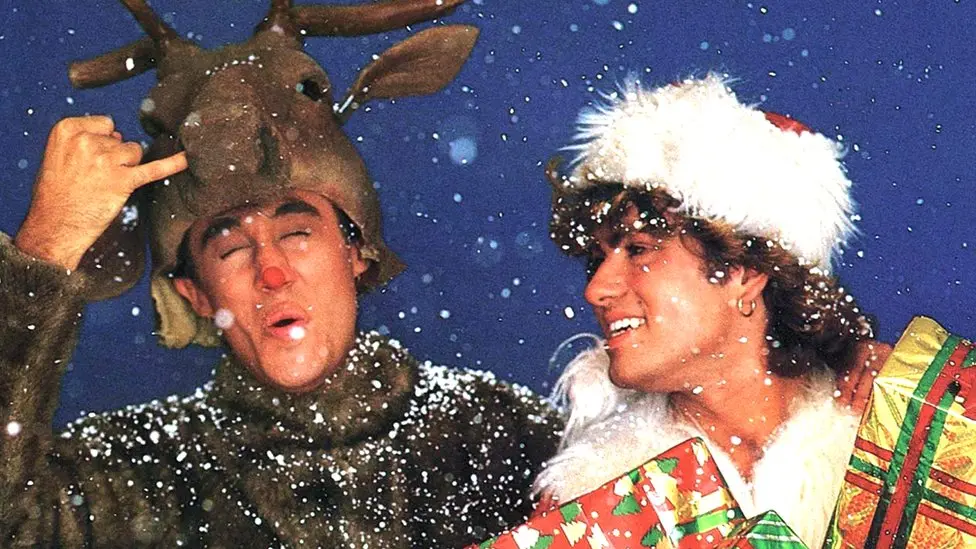
Famous Songs That Missed the Top Spot
Some of the most beloved Christmas songs never actually reached number one:
Near Misses and Classics
“Last Christmas” by Wham! (1984-2022)
Peaked at number two in 1984 (blocked by Band Aid) and again in 1985. Charted in the Top 10 almost every year but didn’t reach number one until 2023.
“Fairytale of New York” by The Pogues ft. Kirsty MacColl (1987)
Peaked at number two in 1987 (blocked by Pet Shop Boys’ “Always on My Mind”). Despite being many people’s favourite Christmas song, it’s never been Christmas number one. Returns to the charts every year.
“All I Want for Christmas Is You” by Mariah Carey (1994)
Reached number two in the UK in 2020 but has never been Christmas number one. It topped charts in many other countries and remains one of the world’s most-streamed Christmas songs.
“I Wish It Could Be Christmas Everyday” by Wizzard (1973)
Peaked at number four, losing to Slade’s “Merry Xmas Everybody.” Despite this, it’s become as iconic as the song that beat it.
“Stop the Cavalry” by Jona Lewie (1980)
Peaked at number three. Not technically a Christmas song but adopted as one due to its line “Wish I was at home for Christmas.”
“Stay Another Day” by East 17 (1994)
Actually WAS Christmas number one—but many people remember “All I Want for Christmas Is You” more prominently from that year (it only reached number two in the UK).
Modern Trends and the Future of Christmas Number Ones
Current Trends (2020s)
Streaming dominance: With 90%+ of chart consumption now coming from streaming, the Christmas chart is radically different:
- Classic tracks compete equally with new releases
- International songs have more impact
- Physical sales matter less (except for collector editions)
Campaign culture: Social media campaigns can still mobilise voters:
- Fan bases coordinate streaming and purchasing
Charity continues: Despite LadBaby ending their streak, charity singles remain popular Christmas number one contenders. The “feel-good” factor still resonates.
Who Might Win in Future Years?
Strong contenders for future Christmas number ones:
- Classic Christmas songs: “Fairytale of New York” could finally reach number one
- Pop superstars: Taylor Swift, Beyoncé, Harry Styles
- Charity campaigns: New causes and celebrity collaborations
- Christmas releases: Artists specifically targeting the festive season
- K-pop acts: Growing UK fanbase could mobilise for Christmas success
The Future of Christmas Number Ones
What’s likely:
- Streaming will continue dominating chart calculations
- Classic tracks will remain competitive
- Physical formats will remain niche but influential (for hardcore fans)
- The “race” will remain unpredictable
What’s changing:
- Traditional media (radio, TV) matters less
- Global streaming platforms create international influence
- Younger audiences consume music differently
- The “Christmas single” as a concept is less relevant
- Year-round streaming makes December less significant for some artists
What stays the same:
- The Christmas number one will remain prestigious
- Media coverage will continue
- British music fans will care deeply
- Unexpected winners will create memorable moments
- It’s still the most important chart position of the year
Memorable One-Hit Wonders and Novelty Hits
The Christmas chart has produced some gloriously bizarre one-hit wonders:
Novelty Christmas Number Ones
Mr Blobby (1993)
Noel Edmonds’ pink and yellow monstrosity beat Take That. Widely regarded as one of the worst songs ever, it’s also one of the most memorable Christmas number ones.
Bob the Builder (2000)
“Can We Fix It?” by a children’s TV character. Neil Morrissey (the voice) had a genuine number one hit.
St Winifred’s School Choir (1980)
“There’s No One Quite Like Grandma.” A school choir singing about grandmas. Christmas magic or musical torture? You decide.
Benny Hill (1971)
“Ernie (The Fastest Milkman in the West).” Comedy genius or novelty nonsense? It sold over a million copies.
Unexpected Winners
Renée and Renato (1982)
“Save Your Love.” Italian restaurant singer Renato Pagliari met actress Hilary Lester (performing as “Renée”). Their ballad became a surprise Christmas number one despite being somewhat obscure. Many people bought it thinking it was romantic, unaware Renato was a restaurant singer from Birmingham.
Jackie Wilson (1986)
“Reet Petite” originally released in 1957, became Christmas number one 29 years later (and 2 years after Wilson’s death) thanks to a Levi’s advert. Proved the power of advertising long before streaming.
The Flying Pickets (1983)
A cappella cover of “Only You” (originally by Yazoo). A group of buskers became Christmas number one with no instruments whatsoever.
FAQs About UK Christmas Number Ones
What is the Christmas number one?
The Christmas number one is the single at the top of the Official UK Singles Chart on Christmas Day (or the week containing 25th December). It’s the most prestigious chart position of the year in British music.
When is the Christmas number one announced?
Usually on the Friday before Christmas on BBC Radio 1’s Official Chart Show. If Christmas Day falls on a Friday, it’s announced on Christmas Day itself (as in 2015, 2020, and 2025).
How is the Christmas number one decided?
By combined sales (physical, downloads) and streaming data collected by the Official Charts Company. Roughly 150 streams equals one sale. The chart week runs Friday to Thursday.
Has the same song been Christmas number one twice?
Yes, two songs:
- Queen – “Bohemian Rhapsody” (1975 and 1991)
- Wham! – “Last Christmas” (2023 and 2024, consecutive years)
What was the first ever Christmas number one?
Al Martino – “Here in My Heart” in 1952, when the UK Official Singles Chart began.
What’s the best-selling Christmas number one of all time?
Band Aid – “Do They Know It’s Christmas?” (1984) with over 3.8 million sales in the UK.
Which artist has the most Christmas number ones?
LadBaby with 5 consecutive wins (2018-2022), followed by The Beatles with 4 (1963-1967).
Why did “Last Christmas” take 39 years to reach number one?
Originally released in 1984, it peaked at number two (blocked by Band Aid). For decades, old songs couldn’t compete with new releases in chart rules. When streaming was incorporated in 2014, catalogue tracks could finally compete equally. “Last Christmas” became one of the most-streamed songs every December, finally reaching number one in 2023.
Do Christmas number ones make a lot of money?
Yes, significantly:
- Hundreds of thousands to millions in sales/streaming revenue
- Radio play royalties throughout December every year (for Christmas songs)
- Legacy income for decades
- Career boost for artists
Charity singles donate proceeds, but still generate massive publicity value.
Can I vote for the Christmas number one?
You can’t “vote” directly, but you can influence it by:
- Buying the single (physical or download)
- Streaming it repeatedly (150 streams = 1 sale equivalent)
- Joining campaigns
Has there ever been a tie?
No, there’s always a clear winner based on sales/streaming data, even if the margin is tiny (like Rage vs X Factor in 2009—just 50,000 copies difference).
What happens if an artist gets Christmas number one?
- Massive media coverage
- Performance on radio/TV
- Chart boost for other songs
- Historical recognition
- Often a career-defining moment
Why do charity singles do well at Christmas?
People feel more generous during the festive season and like supporting good causes. Buying a charity single feels like both entertainment and donation. Media coverage for charity singles is also extensive.
The Cultural Significance of Christmas Number Ones
Why British People Care So Much
The Christmas number one is uniquely important in British culture for several reasons:
National conversation: Everyone knows what it is, many people have an opinion about it, it’s discussed in workplaces and homes across the UK.
Tradition and nostalgia: Spans seven decades, connects generations, evokes memories of specific Christmases past.
Underdog stories: Social media campaigns can challenge industry power, ordinary people can influence outcomes, surprises create memorable moments.
Competitive spirit: Betting markets emerge, media coverage intensifies throughout December, “us vs them” campaigns mobilise fans.
Music democracy: Unlike other awards, it’s purely based on public purchases/streams, not industry votes or panels.
Christmas Number Ones in Popular Culture
Referenced in:
- TV shows (The Office, Gavin & Stacey, etc.)
- Films about British Christmas
- News programmes every December
- Pub conversations
Annual traditions:
- BBC Radio 1 countdown
- Newspapers predicting winners
- Betting odds published
- Last-minute campaigns
The Decline of the “Christmas Single”
The old days (1970s-1990s):
- Artists specifically released Christmas-themed singles
- Targeted festive number one deliberately
- Created new Christmas songs to compete
The modern era (2000s onwards):
- Fewer new Christmas songs released
- Existing catalogue tracks dominate
- Reality TV winners stopped targeting it
- Streaming makes “release timing” less relevant
Why?
- Streaming changed the game completely
- Creating Christmas songs is risky (one-time-a-year listening)
- Classic Christmas tracks are too dominant
- Artists focus on albums and tours instead
However, the race itself remains as important as ever—it’s just that the nature of competition has changed.
Predictions for Future Christmas Number Ones
Based on current trends, here’s what we might expect:
2025 and Beyond
Likely contenders:
- Classic Christmas songs (especially if “Fairytale of New York” campaigns)
- Charity singles (if a compelling cause emerges)
- Major pop stars (Taylor Swift, Beyoncé, Harry Styles levels)
- K-pop acts (growing UK fanbase)
Less likely:
- Reality TV show winners (that era ended)
- Traditional “Christmas singles” by unknown artists
What Would Make Headlines
- “Fairytale of New York” finally reaching number one (it’s never done it)
- Mariah Carey claiming UK Christmas number one (she’s never managed it here)
- An independent artist winning through grassroots campaign
- A completely unexpected catalogue track from decades ago
- A charity single for a major cause
- Same song three years running (would be historic)
The Format’s Future
The Christmas number one will likely:
- Remain culturally significant for decades to come
- Continue surprising us with unexpected winners
- Adapt to new technology (AI music? NFTs? Who knows)
- Maintain its position as THE chart position
- Generate headlines every December
Conclusion: The Magic of Christmas Number Ones
The UK Christmas number one is more than just a chart position—it’s a tradition, a competition, a cultural moment, and a part of British Christmas itself.
From Band Aid’s charity anthem to Rage Against the Machine’s rebellion, from LadBaby’s sausage rolls to Wham!’s 39-year journey, every Christmas number one tells a story.
Some are predictable. Some are controversial. Some are brilliant. Some are baffling (looking at you, Mr Blobby). But they’re all part of the rich tapestry of British music history.
So this December, whether you’re streaming “Last Christmas” for the hundredth time, supporting a charity single, or backing an underdog campaign, you’re participating in a tradition that’s been bringing joy, debate, and occasionally bewilderment to the UK for over 70 years.
And that’s what makes it special.
Who do you think will claim the 2025 Christmas number one? Share your predictions in the comments!
Related Guides
Christmas Traditions Explained