Remember when advent calendars were just cheap chocolate behind cardboard doors? Those innocent days are gone. Now you can get advent calendars filled with cheese, gin, LEGO, makeup, candles, dog treats, and approximately 4,000 other things.
But how did we get from counting down to Jesus’s birth with Bible verses to opening miniature bottles of whisky every December morning? And more importantly, which advent calendars are actually worth the money in 2025?
Let me tell you the story of advent calendars, from pious German Protestants to the modern madness of £200 beauty calendars that sell out in September.
What Actually Is Advent?
Before we get to the calendars, let’s sort out what Advent actually means.
Advent is the Christian season leading up to Christmas. It starts on the fourth Sunday before Christmas Day (so the date changes each year—usually late November/early December) and lasts until Christmas Eve.
The word “Advent” comes from Latin “adventus,” meaning “coming” or “arrival.” It’s about waiting for Christ’s birth.
Traditionally, Advent was:
- A time of preparation and reflection
- Fasting (though less strict than Lent)
- Four weeks, not 24 days
- Focused on spiritual preparation
Modern Advent in Britain:
- Starts December 1st (regardless of what the church says)
- 24 days of opening things
- Mostly secular—chocolate and treats
- Build-up excitement to Christmas
The religious origins are still there if you look for them, but most British people just know Advent as “the month before Christmas when you get daily chocolate.”
The Origins of Advent Calendars
Germany, 19th Century
Advent calendars started in Germany among Protestant families wanting to mark the days until Christmas.
Early versions (1850s onwards):
- Chalk marks on doors (counting down 24 days)
- Candles (light one each day)
- Pictures hung on walls (one per day)
- Bible verses read daily
- Small treats given to children
Nothing fancy—just ways to help children understand the wait until Christmas.
The First Printed Calendar (1902-1903)
Gerhard Lang is credited with creating the first printed advent calendar. As a child, his mother had made him a calendar with 24 small sweets attached. He remembered this and, as an adult, decided to commercialize the idea.
His first calendar (Hamburg, 1902/1903):
- Printed board with 24 small pictures
- Children colored one picture per day
- Simple but revolutionary
- Caught on quickly in Germany
The 1908 version:
- Added little doors to open
- Picture behind each door
- Religious images (nativity scenes, angels)
- This is basically the format we still use
Coming to Britain (1950s-1960s)
Advent calendars arrived in Britain properly in the 1950s, though they’d been around in small numbers earlier.
Initial British reception:
- Seen as foreign/German (post-war sensitivity)
- Religious families adopted them first
- Pictures of nativity scenes behind doors
- No chocolate yet—just pictures
When chocolate appeared (1958): Richard Sellmer began putting chocolate behind the doors. Game-changer. Suddenly, advent calendars weren’t just religious education—they were daily treats.
By the 1970s-1980s: Chocolate advent calendars were standard in British homes. Cadbury’s dominated. Every child expected one.
The Evolution of British Advent Calendars
1970s-1980s: The Chocolate Era Begins
Standard features:
- Thin cardboard with doors to open
- Cheap chocolate (barely chocolate, really)
- Nativity scene on the front
- 24 doors (sometimes 25, depending on the brand)
- Cost: under £1
The chocolate: Let’s be honest—it was rubbish. Waxy, barely cocoa, weird texture. But kids didn’t care. It was CHOCOLATE at BREAKFAST.
Opening rules:
- One per day, no cheating
- Mum enforced this strictly
- Sneaking extra doors = major scandal
- Saving them up = weird flex
1990s-2000s: Character Calendars
The arrival of branding:
- Barbie advent calendars
- Disney characters
- Thomas the Tank Engine
- Whichever toy was popular that year
Better chocolate (sort of):
- Cadbury’s upped their game slightly
- Actual chocolate taste
- Better quality than the 80s versions
- Still not winning awards
2010s: The Advent Calendar Explosion
This is when things got mad.
Beyond chocolate:
- Beauty calendars (Glossybox, Liberty, Cult Beauty)
- Alcohol (gin, wine, whisky, beer)
- Cheese (yes, really)
- Tea and coffee
- Toys (LEGO became huge)
- Pet treats
- Stationery
- Basically anything that could fit in 24 compartments
The price point shifted:
- Budget: £1-5 (supermarket chocolate)
- Mid-range: £10-30 (better chocolate, small gifts)
- Insane: £500+ (luxury brands showing off)
Adult advent calendars became a thing: Nobody questioned why grown adults needed daily surprises. We all just accepted it.
2020s: Peak Advent Calendar
By 2025, advent calendar madness has reached its logical conclusion. You can get an advent calendar for literally anything.
Current market:
- Market worth hundreds of millions in the UK
- Sell out months in advance (September pre-orders!)
- Unboxing videos on YouTube
- People buying multiple calendars
We’ve lost the plot, basically. But we’re having fun.
Types of Advent Calendars in 2025
Traditional Chocolate Calendars (£1-10)
Budget supermarket options:
- Tesco, Asda, Sainsbury’s, Aldi, Lidl
- £1-3
- Basic milk chocolate shapes
- Job done, kids happy
Mid-range chocolate:
- Cadbury (£5-8)
- Lindt (£8-12)
- Hotel Chocolat (£15-25)
- Actually nice chocolate
- Worth the upgrade if you like chocolate
Verdict: Can’t go wrong. Everyone loves chocolate. The classics work.
Beauty and Cosmetics Calendars (£50-250)
This is where it gets expensive.
Popular brands:
- Liberty London (£250+) – Luxury, sells out instantly, contains full-size products worth £1000+
- Cult Beauty (£200+) – Mix of cult brands, proper value
- Boots (£85-100) – More affordable, decent brands
- The Body Shop (£60) – Ethically made, nice range
- Glossybox (£80-90) – Makeup focused
What’s inside:
- Miniatures of expensive products
- Mix of makeup, skincare, haircare
- Sample sizes mostly (except luxury versions)
- Occasional full-size products
Worth it? If you love beauty products and would buy the items anyway, yes. If you’re just buying it for the calendar experience, probably not—you’ll end up with 15 products you’ll never use.
Alcohol Calendars (£30-150)
Types available:
- Gin (£50-80) – 24 miniatures of different gins
- Whisky (£80-150) – Single malts, blends, various distilleries
- Wine (£60-100) – Mini bottles, various regions
- Beer (£40-70) – Craft beers, different breweries
- Mixed spirits (£60-100) – Variety of liquors
Best for:
- Spirits enthusiasts
- Discovering new brands
- Festive boozing
- Grown-up Christmas countdown
Reality check: You’re drinking every morning for 24 days. Pace yourself. Or save them for evenings. Your liver, your choice.
Food and Drink Calendars (£15-60)
Cheese advent calendars (£10-25): Yes, they exist. Mini cheeses for 24 days. Britain loves cheese.
Tea calendars (£15-30): Different tea for each day. Perfect for tea addicts.
Coffee calendars (£25-50): Sample pods or beans. Coffee snob heaven.
Hot chocolate (£10-20): Fancy hot chocolate sachets. Cosy winter vibes.
Pork scratchings, jerky, snacks (£15-30): For the person who has everything (and questionable taste).
Toy Calendars (£15-40)
LEGO (£25-35): The most popular non-chocolate option for kids. Mini builds daily. Genius.
Playmobil (£20-30): Similar concept, different aesthetic.
Hot Wheels/other toys (£15-25): Small toys building up to a larger set.
Why they work: Kids get excited about the surprise. Better value than chocolate. Can play with the items.
Luxury/Designer Calendars (£100-500+)
For people with more money than sense (or just really into advent calendars):
Jo Malone (£350+): Candles, perfumes, bath products. Pure luxury.
Fortnum & Mason (£200+): Food, tea, confectionery. Very posh.
Harrods (£250+): Various luxury items. Showing off money.
Selfridges (£300+): Designer brands, exclusive items.
Are they worth it? If you have the disposable income and genuinely love the brands, maybe. For most people? Absolutely not. But they make great gifts for people who have everything.
DIY/Refillable Calendars (£15-50)
The sustainable option:
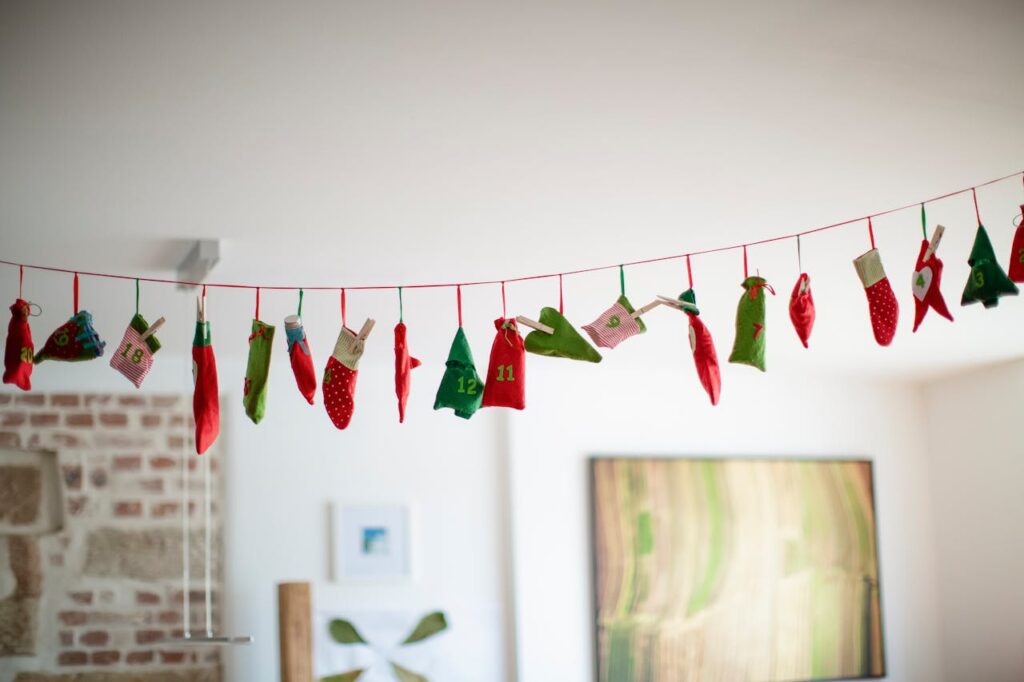
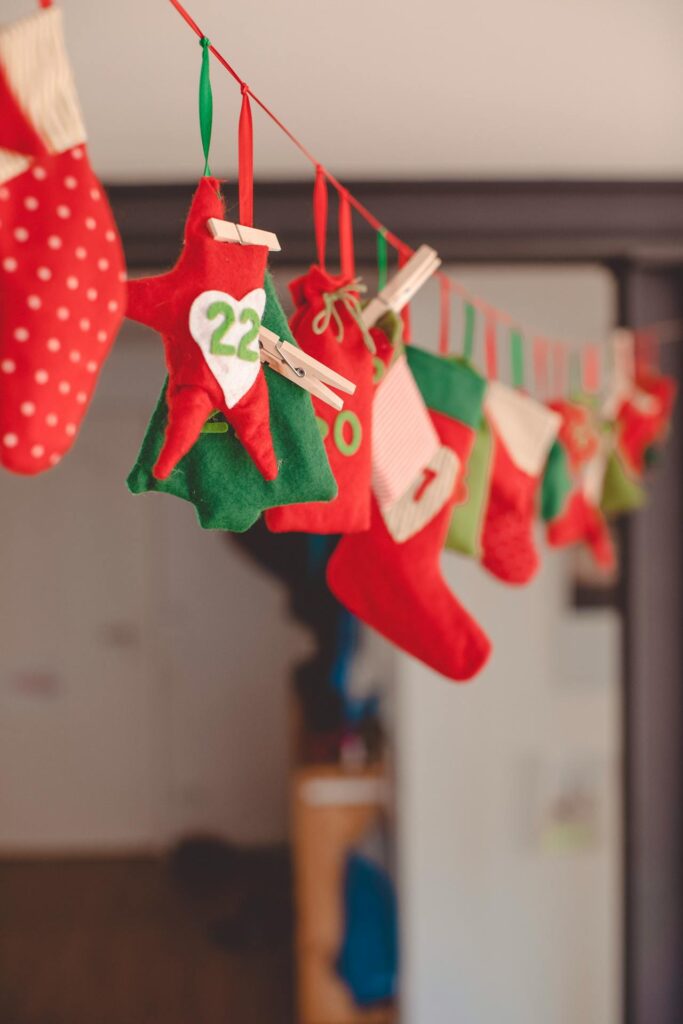
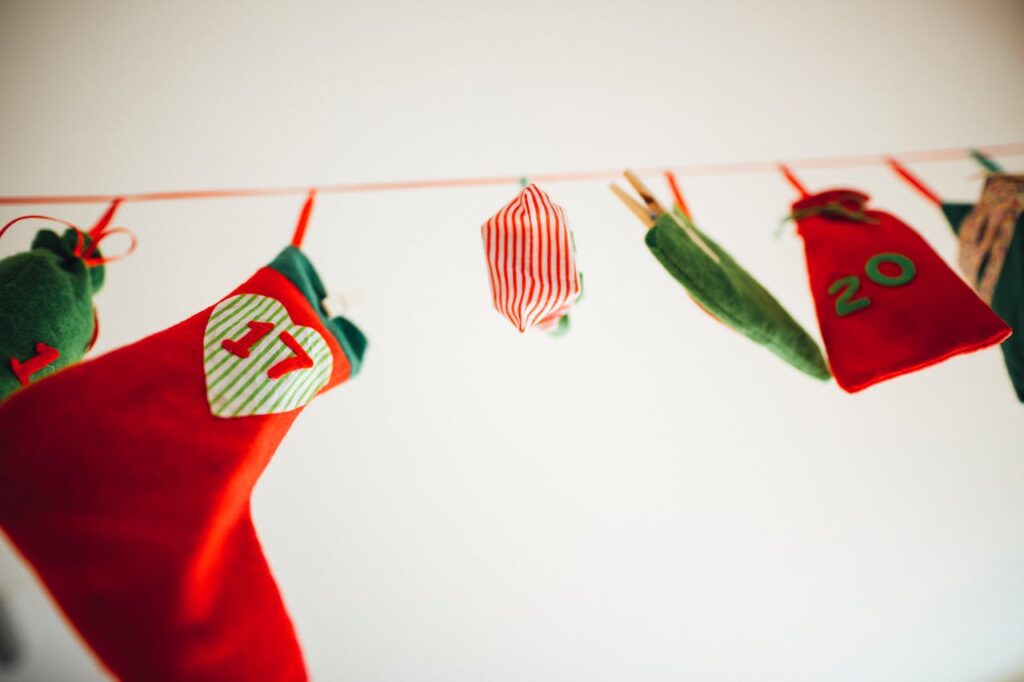
Fabric advent calendars with pockets:
- Fill with your own treats
- Reuse yearly
- Customize for recipient
- More personal
Wooden calendars with drawers:
- Beautiful, lasting
- Fill with whatever you want
- Family heirloom potential
- Initial cost higher, but reusable
What to fill them with:
- Chocolate (boring but reliable)
- Small toys
- Notes with activities
- Coins or money
- Jokes or riddles
- Acts of kindness ideas
- Whatever suits your family
Charitable Advent Calendars
Charity shop advent calendars:
- Support good causes
- Fair trade products
- Ethically sourced
- Feel good about purchase
Examples:
- Traidcraft
- Oxfam
- Various charity versions
Best Advent Calendars to Buy in 2025
Based on value, popularity, and not being a complete rip-off:
Best Budget Option
Aldi Chocolate Calendar (£1.50) Cheap, cheerful, does the job. Kids don’t care about fancy chocolate.
Best Mid-Range Chocolate
Lindt Teddy Bear Calendar (£10-12) Decent chocolate, cute design, worth the small upgrade from supermarket versions.
Best for Kids
LEGO City or Friends Calendar (£25-30) Actual play value, excitement daily, keeps them busy. Better than chocolate that’s gone in 10 seconds.
Best Beauty Calendar
Boots Ultimate Beauty Calendar (£90-100) Mix of brands, actual value, more accessible than £250 Liberty version. Decent size samples.
Best for Gin Lovers
Gin Advent Calendar from Master of Malt (£60-80) Good variety, reputable brands, proper miniatures. Try before you buy full bottles.
Best Sustainable Choice
Fabric Advent Calendar with Pockets (£20-30 + your own fillings) One-time purchase, reusable, personal, environmentally better than 24 bits of plastic packaging.
Best Splurge
Liberty London Beauty Calendar (£250) If you’re going expensive, this is the one. Actual value (£1000+ of products), luxury brands, worth the money IF you use the products.
When to Buy Advent Calendars
The timeline:
September:
- Luxury calendars announced
- Pre-orders open
- Popular ones sell out immediately
- People mock how early it is (then buy them anyway)
October:
- More calendars released
- Still decent selection
- Better to buy now than wait
November:
- Running out of popular versions
- Last chance for specific brands
- Prices might increase
Early December:
- Slim pickings
- Whatever’s left
- Reduced cheap ones
- Maybe some overpriced luxury versions nobody wanted
Mid-December:
- Forget it
- Everything’s gone or rubbish
Post-Christmas sales:
- Advent calendars half price
- Buy for next year
- Except you’ll forget you bought it
- Find it in August, panic-buy another in September
Black Friday Impact
Black Friday (late November) often has advent calendar deals. BUT—the good ones sell out before then. It’s a gamble.
The Advent Calendar Backlash
Not everyone’s on board with modern advent calendars.
Criticisms:
Too commercial: “It’s supposed to be about Jesus, not gin!” Fair point. The religious aspect has been completely overshadowed.
Too expensive: “£200 for some tiny bottles? Mental!” Also fair. Luxury calendars are bonkers expensive.
Wasteful: “24 bits of plastic packaging for tiny items!” Environmentally, it’s not great. Single-use plastic everywhere.
Loses meaning: “Just another way to sell stuff.” True. It’s become pure commercialism.
Creates expectations: “My kid now expects three different calendars!” Yeah, we’ve created monsters.
Counter-arguments:
- It’s fun
- Makes December special
- Daily excitement for kids (and adults)
- Harmless tradition
- Nobody’s forcing you to buy a £250 beauty calendar
- Choose sustainable options if you’re concerned
Tips for Advent Calendar Success
For Parents
Set expectations:
- One calendar per child (not five)
- Stick to budget
- No upgrading mid-season because their friend has a better one
Enforce the rules:
- One door per day
- No sneaking ahead
- Consequences for cheating (though enforcement is another matter)
Location matters:
- Keep out of reach of sneaky kids
- Somewhere you’ll remember daily
- Not where pets can get it
For Adults Buying for Themselves
Ask yourself:
- Will I actually use/drink/eat these items?
- Is it worth the money?
- Am I buying for Instagram or for me?
- Do I have space for another advent calendar? (The answer is always yes, apparently)
Don’t:
- Buy five different calendars (you won’t keep up)
- Spend rent money on a beauty calendar
- Judge yourself for wanting daily chocolate (we all do)
The Future of Advent Calendars
Predictions for the next few years:
More sustainable options:
- Refillable becoming mainstream
- Less plastic packaging
- Eco-conscious brands
Experience calendars:
- QR codes to daily activities
- Digital content advent calendars
- Mix of physical and digital
Even more niche:
- Advent calendars for every possible interest
- Personalized options
- Subscription models
Price polarization:
- Budget options staying cheap
- Luxury versions getting more expensive
- Middle ground disappearing
Backlash, eventually:
- Peak advent calendar reached
- People getting tired of it
- Swing back to simpler versions
Or maybe not. We thought the same about Black Friday, and that’s still going strong.
The Bottom Line
Advent calendars have come a long way from German Protestant counting systems. What started as a religious teaching tool has become a massive commercial industry where you can get 24 days of pretty much anything.
Is it all a bit mad? Yes. Have we lost sight of the original meaning? Absolutely. Are luxury £250 beauty calendars a sign of late-stage capitalism? Probably.
But you know what? There’s something lovely about the daily ritual. Opening that little door or drawer, getting a small surprise, building excitement for Christmas. Whether it’s chocolate, cheese, gin, or tiny LEGO builds, it adds a bit of magic to December.
Just maybe don’t buy six of them. That’s where we’ve gone wrong.
Related: Back to UK Christmas Traditions Guide
What’s the best advent calendar you’ve ever had? Or the most disappointing? Share your advent calendar experiences—and recommendations for 2025—in the comments!